• Are you a Tarantula hobbyist? If so, we invite you to join our community! Once you join you'll be able to post messages, upload pictures of your pets and enclosures and chat with other Tarantula enthusiasts. Sign up today!

African Land Snail Food Question

Eighth Eye Blind

Active Member
Tarantula Club Member
Messages
88
Location
USA
What's wrong with L. fulica?
What's wrong with them is that they are a known intermediate host for a family of nematodes that are 100% fatal to tarantulas. This is why zoos (well, good zoos at least) keep T's in a separate area with the insects and away from snails and other gastropods. Other snail species also host these worms but for some reason, maybe just pure size, L. fulica seems to be the worst for it. These worms have already shown up in the UK and there's no quick and easy test for them so your breeder can't possibly tell if their stock was infected or not.

If you're going to keep both GAS and T's please keep them in separate rooms, wash your hands thoroughly between handling, feeding, cleaning, etc., and don't mix their food supplies. Tarantulas are known to become infected with the nematode through contaminated crickets and mealworms so a common food source is a no-no. Once a tarantula room is infected it's a nuke-it-and-start-again type situation. It's recommended that all the animals in the facility be euthanized and the rooms quarantined for 30 days before reintroduction of new stock. The risk of accidentally infecting your T's via the snails may be low, but the consequences are so horrible that it's just not worth it IMHO.

Can I feed (Dubia) to the snails as well?
I wouldn't do it with L. fulica. Some snails have digestive enzymes that can break down insect chitins and other exoskeletal components pretty easily. L. fulica is primarily an herbivore so it relies on gut bacteria to break down animal matter that it ingests. Roach exoskeletons are significantly harder to break down than mealworms so there's a good chance the snails won't be able to handle them. Their diet in nature is 99% plant material with an occasional bite of animal poop to add protein. I'm not sure they'd be thrilled about eating a roach anyway.

Plus they aren't considered an invasive species in the UK due to our climate.
I don't want to argue about it, but that's not actually true no matter what the captive breeders tell people.

The UK bans the importation and release of L. fulica and several other land snails as invasive. The UK is, as you noted however, one of the few countries that do allow private possession of the species. Pretty much everyone else tries to kill them with fire wherever they're found. I don't know why the UK chose to risk their agricultural system by allowing possession but it's each to their own I guess.

As for climate barriers, you can forget about the UK being too cold. There are (as-yet-scientifically-unconfirmed) reports of these guys surviving in the northern US state of Wisconsin where the winters make the UK look tropical. It's also notable that they're banned in all parts of Canada. If Canadian winters can't stop them them UK weather won't even be close. Sweden does allow possession on the theory that they can't survive the winters there, but humans can barely survive the winter in Sweden and the Swedish government is even more crazy than most about biosecurity so that's not really a valid comparison.

So anyway, no offense intended, but please don't let your big slimy snails get anywhere near your T's, the door to your garden, or a flight out of the UK. They really are a serious threat to health and agriculture if not contained and handled properly. You can try the Dubia to see what happens, but I would certainly not be feeding them from the same source colony as your spiders. Good luck!
 

Brother_Giles

New Member
Messages
12
Location
Hampshire UK
What's wrong with them is that they are a known intermediate host for a family of nematodes that are 100% fatal to tarantulas. This is why zoos (well, good zoos at least) keep T's in a separate area with the insects and away from snails and other gastropods. Other snail species also host these worms but for some reason, maybe just pure size, L. fulica seems to be the worst for it. These worms have already shown up in the UK and there's no quick and easy test for them so your breeder can't possibly tell if their stock was infected or not.

If you're going to keep both GAS and T's please keep them in separate rooms, wash your hands thoroughly between handling, feeding, cleaning, etc., and don't mix their food supplies. Tarantulas are known to become infected with the nematode through contaminated crickets and mealworms so a common food source is a no-no. Once a tarantula room is infected it's a nuke-it-and-start-again type situation. It's recommended that all the animals in the facility be euthanized and the rooms quarantined for 30 days before reintroduction of new stock. The risk of accidentally infecting your T's via the snails may be low, but the consequences are so horrible that it's just not worth it IMHO.


I wouldn't do it with L. fulica. Some snails have digestive enzymes that can break down insect chitins and other exoskeletal components pretty easily. L. fulica is primarily an herbivore so it relies on gut bacteria to break down animal matter that it ingests. Roach exoskeletons are significantly harder to break down than mealworms so there's a good chance the snails won't be able to handle them. Their diet in nature is 99% plant material with an occasional bite of animal poop to add protein. I'm not sure they'd be thrilled about eating a roach anyway.


I don't want to argue about it, but that's not actually true no matter what the captive breeders tell people.

The UK bans the importation and release of L. fulica and several other land snails as invasive. The UK is, as you noted however, one of the few countries that do allow private possession of the species. Pretty much everyone else tries to kill them with fire wherever they're found. I don't know why the UK chose to risk their agricultural system by allowing possession but it's each to their own I guess.

As for climate barriers, you can forget about the UK being too cold. There are (as-yet-scientifically-unconfirmed) reports of these guys surviving in the northern US state of Wisconsin where the winters make the UK look tropical. It's also notable that they're banned in all parts of Canada. If Canadian winters can't stop them them UK weather won't even be close. Sweden does allow possession on the theory that they can't survive the winters there, but humans can barely survive the winter in Sweden and the Swedish government is even more crazy than most about biosecurity so that's not really a valid comparison.

So anyway, no offense intended, but please don't let your big slimy snails get anywhere near your T's, the door to your garden, or a flight out of the UK. They really are a serious threat to health and agriculture if not contained and handled properly. You can try the Dubia to see what happens, but I would certainly not be feeding them from the same source colony as your spiders. Good luck!

I'll take what you said under consideration. All I'll mention is that the person I got them from is someone I know and they have them in the same room as the rest of their inverts and they have never had a problem. But when it comes to handling, feeding etc I always wash my hands to avoid cross-contamination.
 

Brother_Giles

New Member
Messages
12
Location
Hampshire UK
What's wrong with them is that they are a known intermediate host for a family of nematodes that are 100% fatal to tarantulas. This is why zoos (well, good zoos at least) keep T's in a separate area with the insects and away from snails and other gastropods. Other snail species also host these worms but for some reason, maybe just pure size, L. fulica seems to be the worst for it. These worms have already shown up in the UK and there's no quick and easy test for them so your breeder can't possibly tell if their stock was infected or not.

If you're going to keep both GAS and T's please keep them in separate rooms, wash your hands thoroughly between handling, feeding, cleaning, etc., and don't mix their food supplies. Tarantulas are known to become infected with the nematode through contaminated crickets and mealworms so a common food source is a no-no. Once a tarantula room is infected it's a nuke-it-and-start-again type situation. It's recommended that all the animals in the facility be euthanized and the rooms quarantined for 30 days before reintroduction of new stock. The risk of accidentally infecting your T's via the snails may be low, but the consequences are so horrible that it's just not worth it IMHO.


I wouldn't do it with L. fulica. Some snails have digestive enzymes that can break down insect chitins and other exoskeletal components pretty easily. L. fulica is primarily an herbivore so it relies on gut bacteria to break down animal matter that it ingests. Roach exoskeletons are significantly harder to break down than mealworms so there's a good chance the snails won't be able to handle them. Their diet in nature is 99% plant material with an occasional bite of animal poop to add protein. I'm not sure they'd be thrilled about eating a roach anyway.


I don't want to argue about it, but that's not actually true no matter what the captive breeders tell people.

The UK bans the importation and release of L. fulica and several other land snails as invasive. The UK is, as you noted however, one of the few countries that do allow private possession of the species. Pretty much everyone else tries to kill them with fire wherever they're found. I don't know why the UK chose to risk their agricultural system by allowing possession but it's each to their own I guess.

As for climate barriers, you can forget about the UK being too cold. There are (as-yet-scientifically-unconfirmed) reports of these guys surviving in the northern US state of Wisconsin where the winters make the UK look tropical. It's also notable that they're banned in all parts of Canada. If Canadian winters can't stop them them UK weather won't even be close. Sweden does allow possession on the theory that they can't survive the winters there, but humans can barely survive the winter in Sweden and the Swedish government is even more crazy than most about biosecurity so that's not really a valid comparison.

So anyway, no offense intended, but please don't let your big slimy snails get anywhere near your T's, the door to your garden, or a flight out of the UK. They really are a serious threat to health and agriculture if not contained and handled properly. You can try the Dubia to see what happens, but I would certainly not be feeding them from the same source colony as your spiders. Good luck!
Also please don't think that I'm arguing with you. This is just what I've been told and observed and it seems like people here have no issue with them.
 

Attachments

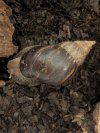
  • PXL_20260119_014707091.jpg
    PXL_20260119_014707091.jpg
    1.6 MB · Views: 9

Latest posts

Top